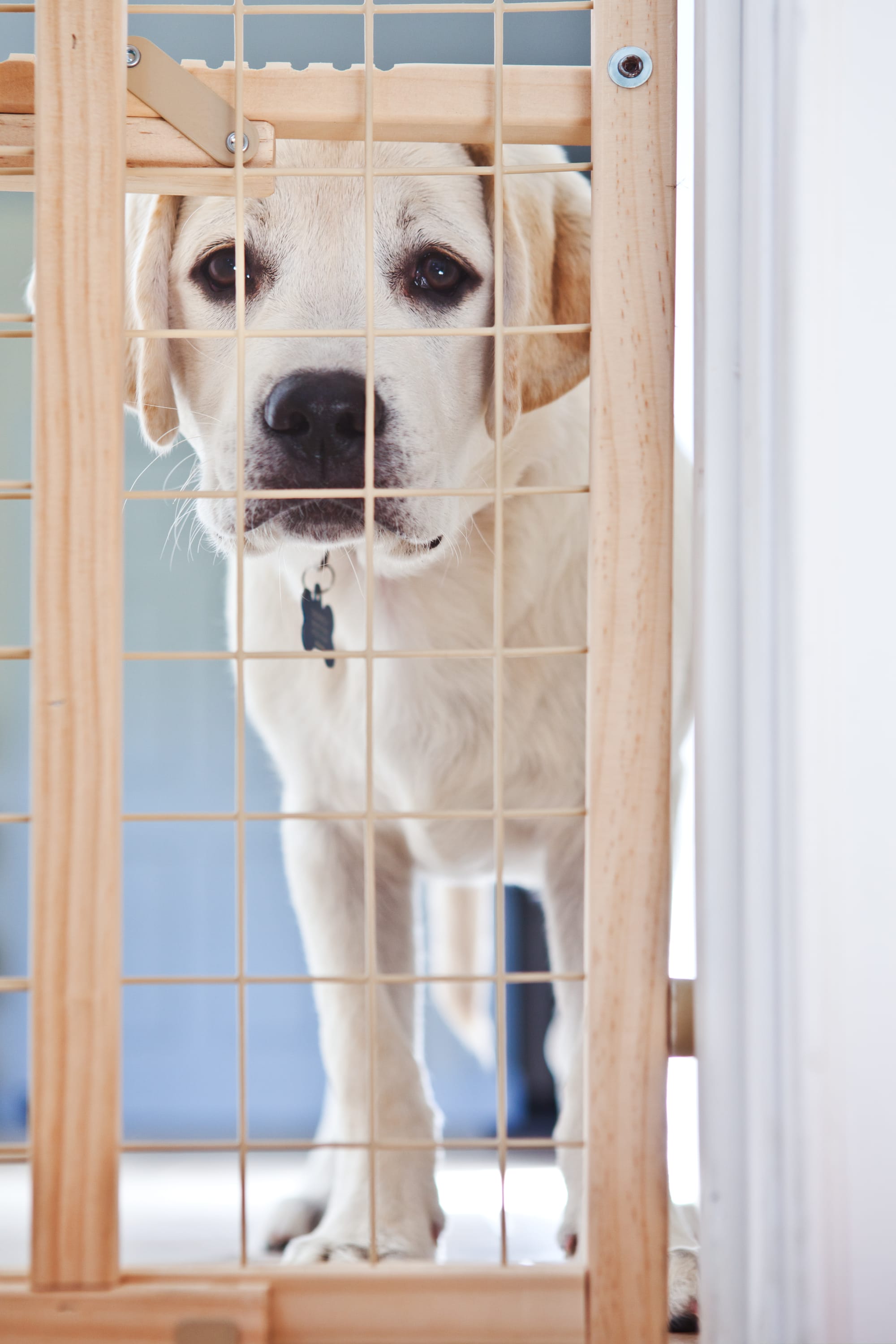
Boarding isn’t just a change in routine for a dog, it’s a full emotional and sensory shift. Some pups walk into a new space with curiosity, ready to explore. Others pause, scan, and lean into the person they trust. Nervous dogs aren’t being dramatic or “too attached.” Their nervous system simply processes the world more intensely, and boarding can amplify those feelings in ways many parents don’t expect.
At Pawty Mansion, we see this every day. Dogs arrive with different histories, thresholds, and emotional needs. Some settle quickly. Others need time, softness, and a predictable rhythm before their body feels safe enough to relax. This is the same lens we use in our behaviour focused blogs like Sensory Overload vs. Sensory Calm, where we talk about how easily a dog’s system can tip into overwhelm when the environment is too loud, too busy, or too unpredictable.
Many dogs struggle with boarding because the experience is layered. There’s the separation from their person, the sudden change in environment, the new scents, the unfamiliar dogs, and the shift in routine. For dogs who already carry a baseline level of tension, like condo dogs navigating elevators, busy hallways, and high density living, boarding can feel like one more emotional load on top of an already full cup. Their nervous system isn’t starting from zero, it’s arriving already activated.
When a dog enters a new boarding environment, their body immediately begins scanning for safety. This is instinct, not choice. Dogs who struggle may pace, pant, refuse food, cling to caregivers, or freeze. These are the same early communication signals we explore in How Dogs Communicate Stress at Daycare. They’re not misbehaviours, they’re the body saying, “I’m not sure yet.”
Nighttime can be especially challenging. When the world goes quiet and the distractions fade, many nervous dogs feel the absence of their person more intensely. Our blog on Why Nighttime Is the Hardest Part of Boarding explains how this period can trigger restlessness, vocalizing, or difficulty settling, not because the dog is “acting out,” but because their nervous system is still searching for safety.
Preparation can make a meaningful difference. Soft transitions, familiar scents, and gentle routines help a dog’s body stay more regulated. Practicing short separations, or keeping the day before drop off calm can help your dog feel more anchored. Dogs feel your energy, and a steady, unhurried goodbye helps them settle faster.
During boarding, dogs who struggle emotionally do best in environments that honor their pace. Some need closeness and reassurance. Others need quiet corners where they can observe before engaging. Some need gentle structure, similar to what we describe in our Boarding Page, where we outline how small groups, predictable rhythms, and real 24/7 human presence help dogs feel safe enough to decompress. Nervous systems don’t regulate in chaos, they regulate in calm, consistent care.
Even after boarding, some dogs show subtle shifts in behaviour. They may sleep more, cling more, or seem temporarily unsure. This is normal. Their nervous system is recalibrating, and they need time, closeness, and routine to feel grounded again.
The good news is that nervous dogs can have deeply positive boarding experiences when their emotional needs are understood. We see it every day, dogs who once trembled at drop off begin to soften, open up, and trust again. Dogs who struggled in busy environments finally exhale. Dogs who felt overwhelmed in kennels discover what it feels like to be supported, not managed.
If you’re exploring boarding options for a dog who struggles, you’re not being overprotective. You’re being attuned. Nervous dogs feel the world differently, and they deserve a boarding experience that honors that.
Your dog’s nervous system matters and when it’s supported, everything changes.