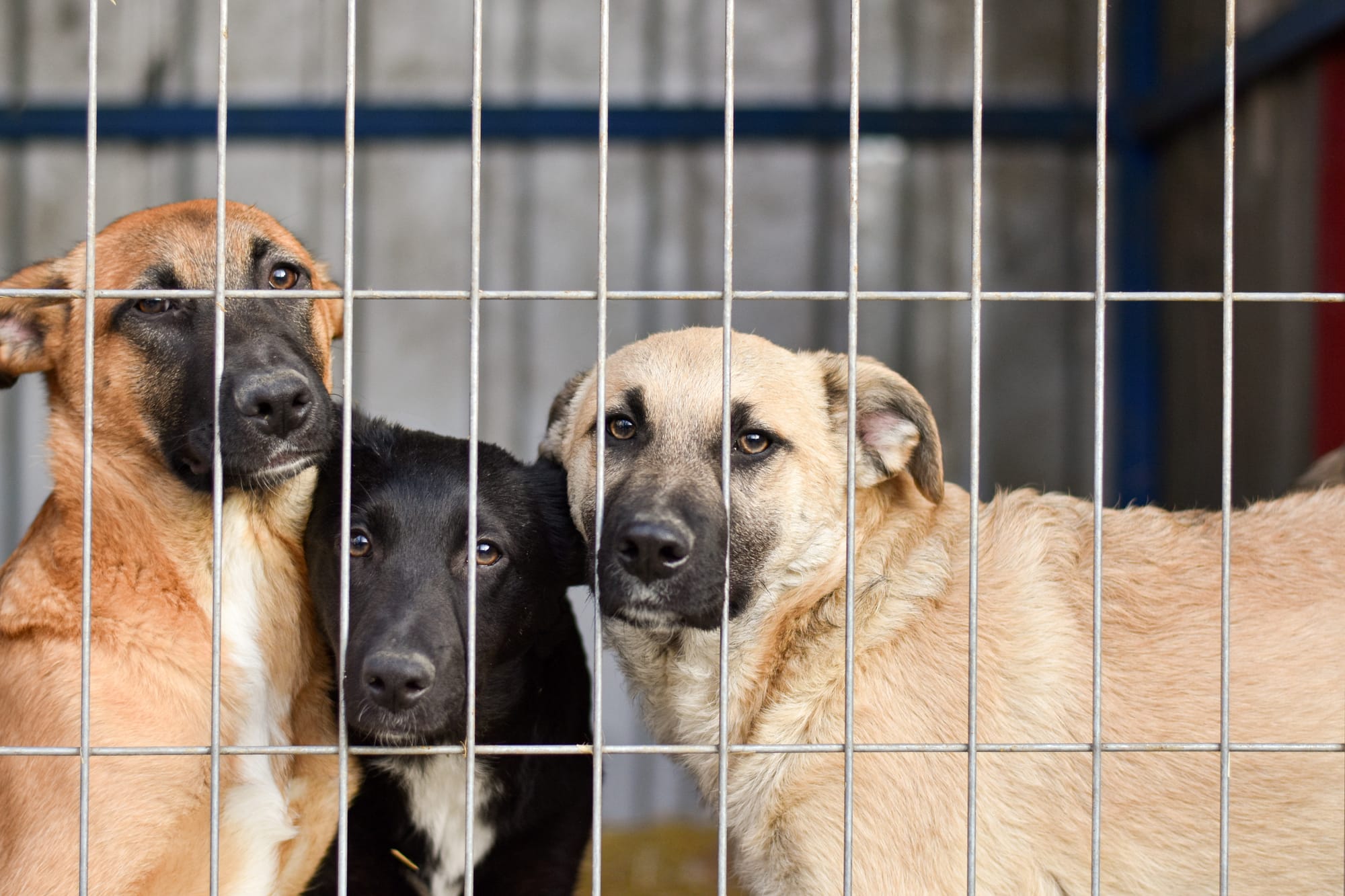
Some dogs walk into high volume boarding facility and immediately begin navigating the emotional landscape around them. They’re not overwhelmed, they’re working. They’re reading the room, adjusting their body language, choosing where to stand, deciding when to move, and quietly negotiating space with every dog they pass. It’s subtle, thoughtful, and incredibly demanding.
In larger facilities, this negotiation never really stops. Dogs are constantly making micro decisions:
“Is this dog approaching with friendly intent?”
“Should I shift my weight to give them space?”
“Is it safer to stay still or move away?”
“Do I need to soften my posture so the other dog feels comfortable?”
These tiny choices happen dozens of times an hour. For dogs who are naturally polite, gentle, or emotionally intelligent, this creates a quiet pressure to keep the environment harmonious. They’re not just existing in the space, they’re managing it.
This is something many parents don’t realize: even the sweetest, calmest dogs can come home exhausted not because they played too much, but because they spent the entire day negotiating social dynamics. It’s a kind of emotional labour that rarely gets talked about, yet it shapes how dogs feel during and after their stay. Sensitive dogs, especially, carry this responsibility deeply, something I explore more in my Sensitive Dog Boarding Vancouver blog.
High volume facilities often have dogs coming and going throughout the day, staff rotating between rooms, and energy levels that shift quickly. For many dogs, this means the social landscape is always changing. New personalities enter the space, existing dynamics shift, and dogs must constantly reassess how to move through the room safely and politely. Even confident dogs can become tired from this level of emotional self management.
A small, curated group feels completely different. With fewer dogs and a stable, predictable social circle, there’s nothing to negotiate. Dogs don’t have to monitor the room or adjust themselves to keep the peace. They don’t have to navigate shifting group dynamics or constantly decide where they fit. They can simply relax into the space without performing, managing, or calculating anything around them. Their emotional world gets to rest, not just their body. This softness is often what allows dogs to sleep more deeply here, something I explore in Why Dogs Sleep Better in Home Boarding.
In high volume settings, even simple moments like choosing a resting spot or approaching a water bowl involve negotiation. Dogs instinctively scan who’s nearby, who’s moving toward them, and whether they need to adjust their posture to avoid conflict. In a small, home based retreat, those layers disappear. Dogs eat without feeling watched, rest without needing to be strategic, and move through the day without calculating how their choices affect the group. It’s a level of emotional ease that many dogs have never experienced in a boarding setting.
If your dog comes home from high volume facilities tired, clingy, or unusually quiet, it may not be the physical activity, it may be the emotional work they’ve been doing all day. Some dogs are natural negotiators. They’re thoughtful, gentle, and deeply aware of the dogs around them. They thrive in environments where they don’t have to carry that responsibility.
A small, curated group gives them that freedom. No negotiations. No calculations. No emotional labour. Just comfort, softness, and the space to be fully themselves.
If you’d like to learn more about how I support dogs who need a gentler, more emotionally attuned experience, you can visit my Dog Boarding in Vancouver page.