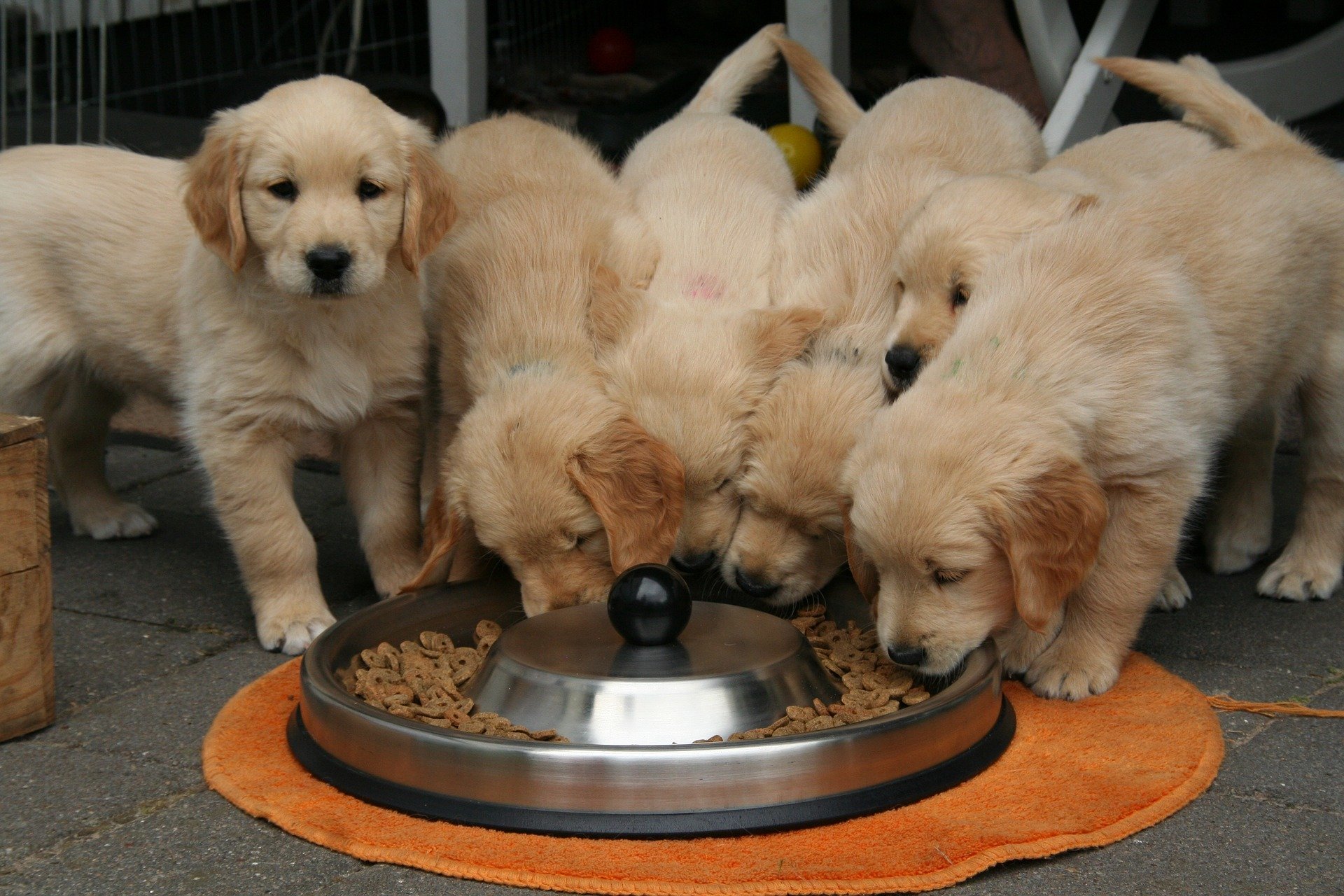
Many Vancouver dog parents feel a little worried when they hear their dog didn’t eat at daycare or boarding. Food is comfort, routine, and reassurance, so when a dog refuses a meal, it often feels like a sign that something deeper is happening. And in most cases, it is. A dog skipping food is rarely about the food itself. It’s almost always about how their nervous system is processing the environment around them. Dogs eat when they feel safe, settled, and emotionally grounded. When those pieces aren’t in place, appetite is one of the first things to shift.
For many Vancouver families, a trip starting at YVR is often shadowed by the worry of how their dog will handle the transition. If your pup is a slow-to-settle eater, that worry is even louder. At Pawty Mansion, our specialized YVR pre-flight dog boarding in Kerrisdale ensures your pet transitions into a calm environment before you fly. If your pup is a slow-to-settle eater, that worry is even louder. In a boutique sanctuary, we understand that a refusal to eat isn't a behavior problem, it’s a request for a quieter environment.
The Science of Overstimulation: Why High-Volume Kennels Trigger Appetite Loss
In busy or high energy facilities, dogs are surrounded by constant movement, unpredictable noise, bright lighting, and fast‑paced social dynamics. Even if they’re not visibly stressed, their body may still be too activated to shift into the rest‑and‑digest state needed for eating. If you’ve ever wondered how stimulation affects a dog’s behaviour and emotional balance, Healthy Dog Play vs. Overstimulation in Daycare offers a helpful look at how easily a dog’s system can tip from excitement into overwhelm. In calmer, slower spaces, dogs soften. Their breathing changes. Their shoulders drop. Their appetite returns.
Sensitive dogs, rescues, and slow to up personalities often need emotional safety before anything else. These dogs can’t eat until they feel anchored, understood, and unhurried. They thrive when the environment feels like a real home, quiet corners, familiar scents, gentle voices, and the freedom to choose where they feel most comfortable. If your dog fits this description, Why Sensitive Dogs Thrive in Calm, Home Like Environments explores how emotional safety shapes everything from appetite to social confidence. Once a sensitive dog feels supported, their appetite almost always follows.
Fast paced environments can also interrupt a dog’s natural eating rhythms. In large facilities, there’s always something happening, new dogs arriving, groups shifting, doors opening, energy rising and falling. Even confident dogs may struggle to settle long enough to feel hungry. In a home based setting, the day unfolds gently. Dogs nap when they need to. They wander. They stretch. They breathe. And in that, appetite returns.
Privacy & Separation Anxiety: Navigating Mealtime Deficit in Vancouver Dog Boarding
Some dogs simply don’t want to eat near other dogs. Even friendly dogs can feel uneasy eating around unfamiliar dogs, not because of dominance or “being picky,” but because they prefer privacy. In a home environment, this is easy to accommodate. Dogs can eat in the kitchen, the living room, a cozy corner, or wherever they naturally gravitate. When a dog feels unobserved and unpressured, they often eat with ease.
High-Touch Care vs. Big-Box Warehouses: The Velvet Rope Approach to Feeding
You’ll see me in my Adidas tracksuits every day because I am right there on the floor, hand feeding if necessary, or just sitting quietly nearby. In a big box warehouse, no one has the time to sit with a dog for 20 minutes to make them feel safe enough to eat. At Pawty Mansion, that 20 minutes is exactly what we are here for. We move at the dog's pace, not a facility schedule
Routine changes can also temporarily shift appetite. Dogs who are used to eating at home with their family may skip meals simply because the rhythm feels different. This is especially true for picky eaters, seniors, rescues, and dogs who rely heavily on routine. Once they understand the new environment is safe and predictable, their appetite usually returns quickly.
The reassuring truth is that most dogs eat normally again once they feel settled. A dog who refused food in a busy kennel often eats in a calm, home like space. The difference isn’t the bowl or the food. It’s the feeling. When a dog feels safe, they eat. When a dog feels seen, they eat. When a dog feels unhurried, they eat.
If your dog struggles with eating at daycare or boarding, it doesn’t mean they’re difficult or dramatic. It means they’re sensitive, aware, and deeply connected to their environment. With the right setting, one that feels like a real home, most dogs eat with comfort and confidence.
Frequently Asked Questions: Dog Not Eating at Daycare & Boarding
Is it normal for a dog to refuse food for the first 24 hours of boarding?
Yes. When a dog enters a new environment, their nervous system often defaults to an elevated state of alertness, suppressing their appetite. In traditional high-volume facilities, this stress can persist. However, in a dedicated, low-volume sanctuary mimicking a home environment, most dogs drop their defenses and resume normal eating rhythms within a few hours.
How do commercial daycares handle a dog that won't eat?
Due to strict facility schedules and high dog-to-staff ratios, commercial warehouses rarely have the operational margins to provide individualized feeding attention. If a dog refuses a meal, the bowl is typically removed until the next scheduled block. A private boutique service counteracts this by providing dedicated 24/7 monitoring, quiet space isolation, and patient hand-feeding if necessary to protect your dog's physiological health.
How early should I arrive at YVR for a domestic or international flight?
For domestic travel departing from Vancouver International Airport, it is highly recommended to arrive at least two hours prior to your flight. For U.S. and international departures, a three-hour window is advised. You can verify live schedules directly via the YVR Passenger Travel Planning Guide.
If you’d like to connect with us, you can reach us through our Residency Application.