Your Dog Doesn’t Have to Love Every Dog: A Vancouver Owner’s Guide to Social Pressure
By Pawty Mansion •
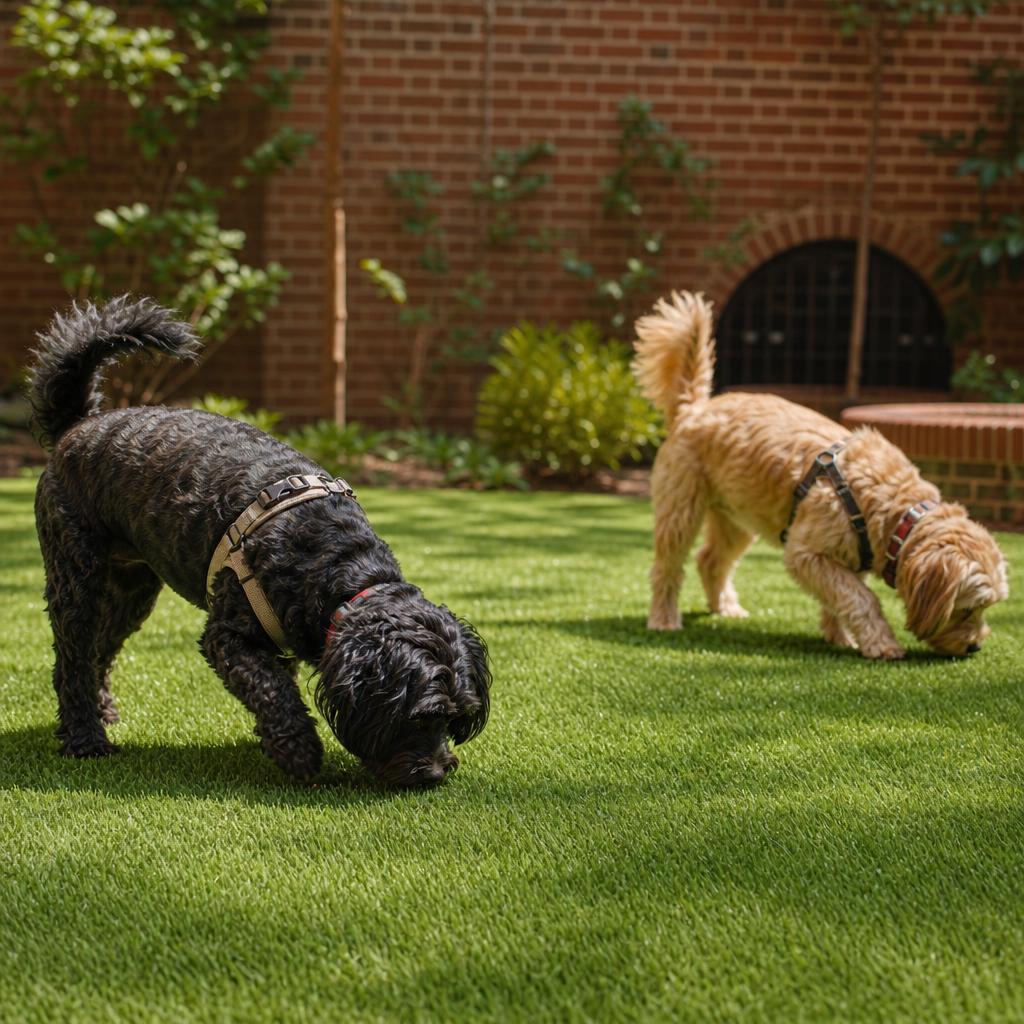
Your dog doesn’t have to love every dog. Learn how to respect their boundaries and choose dog daycare and dog boarding in Vancouver that suit their needs.
You’re walking your dog through your Vancouver neighbourhood when another dog approaches.
“He’s friendly!” the owner calls.
Your dog slows down, turns away, or moves closer to your leg. You smile politely, tighten your grip on the leash, and wonder whether you should let them say hello.
Perhaps you’ve asked yourself: Why doesn’t my dog want to play? Should I be socializing them more? Am I doing something wrong?
Here’s something many dog owners need to hear: Your dog does not have to greet, play with, or enjoy every dog they meet.
Being comfortable around other dogs is a useful life skill. Being everyone’s best friend is not a requirement.
That distinction matters on neighbourhood walks, at the dog park, and when choosing dog daycare or dog boarding in Vancouver.
Friendly Doesn’t Have to Mean Available for Every Greeting
Some dogs love meeting new dogs. Others enjoy a few familiar companions. Some would rather sniff a quiet patch of grass, walk beside their person, or settle somewhere peaceful.
Preferences can also change with age, health, previous experiences, and the situation.
A dog who enjoys a familiar friend in a garden may feel uncomfortable meeting an unfamiliar dog on a narrow sidewalk. A dog who once loved busy playgroups may become more selective as they mature.
That does not automatically mean something is wrong.
A good goal is a dog who can feel safe and respond calmly around other dogs—not one who must interact with all of them.
If your dog’s tolerance changes suddenly, especially alongside pain, tiredness, or other behaviour changes, speak with your veterinarian. Not every change is simply a social preference.
The Social Pressure Vancouver Dog Owners Can Feel
In a city where dogs share sidewalks, condo elevators, parks, and café patios, opportunities for interaction are everywhere.
So are expectations.
You might feel pressure to let your dog greet another dog because the other owner says theirs is friendly; visit a busy dog park so your dog gets enough “socialization”; choose daycare based on how many dogs your dog will meet; treat nonstop play as proof that your dog is having a wonderful time; or apologize when your dog would rather keep moving.
But the other dog’s enthusiasm is only half the picture. An interaction should work for both dogs.
Your dog is allowed to need space—even when the approaching dog is friendly, small, familiar, or “usually great with everyone.”
Socialization Is Not the Same as Constant Socializing
The words sound similar, but they describe different things.
Socializing usually means interacting. Socialization involves learning about the world through appropriate, positive experiences.
For a puppy, that includes carefully managed exposure to different people, sounds, surfaces, environments, and animals. For an adult dog, ongoing positive experiences can help maintain confidence.
Neither requires greeting every passing dog.
A valuable experience might be watching another dog from a comfortable distance, walking past without stopping, sharing a calm space with a compatible companion, taking a parallel walk with enough room between dogs, or choosing to disengage and return to their person.
Sometimes, the most useful lesson is simply: “I can be near another dog without anything being expected of me.”
How to Recognize When Your Dog Needs Space
Dogs often communicate discomfort before barking or growling.
Depending on the context, you might notice your dog turning their head or body away; moving behind you or trying to leave; becoming unusually still or stiff; holding their tail lower than usual; repeatedly licking their lips or yawning during an interaction; or avoiding an approaching dog rather than returning the greeting.
No single movement tells the whole story. Look at your dog’s overall posture, the situation, and what is normal for them.
If your dog appears uncomfortable, you do not need to wait for a stronger reaction before helping.
Create some distance. Keep your movements calm. Give them a way out.
Avoid forcing a greeting or punishing a growl. A growl is a warning that deserves attention—not a reason to push the interaction further.
For repeated lunging, snapping, intense fear, or a bite history, seek help from your veterinarian and a qualified reward-based behaviour professional. A group setting is not a substitute for an individual behaviour plan.
What to Say When Another Owner Wants Their Dog to Say Hello
Advocating for your dog can feel awkward at first. A short, friendly sentence is usually enough:
“We’re skipping greetings today, thank you.”
“She’s more comfortable with a little space.”
“We’re practising walking past calmly.”
“He prefers not to meet on leash.”
You do not owe a stranger a detailed explanation.
When possible, step aside, cross the street safely, or take a wider route. In a condo building, waiting for the next elevator may be kinder than squeezing two uncomfortable dogs into a small space.
Setting a boundary is not unfriendly. It is responsible care.
What This Means When Choosing Dog Daycare in Vancouver
If your dog is selective, the right question is not simply, “Does this daycare accept dogs?”
It is: “Will this environment suit my dog?”
When comparing dog daycare in Vancouver, ask how the provider manages compatibility, introductions, rest, and signs of discomfort.
Useful questions include: How do you assess whether a dog is comfortable in the group? How are dogs matched by temperament and play style? Can a dog take a break without being repeatedly approached? Is there protected time and space for rest? What happens when a dog does not want to participate? Will you tell me honestly if the setting is not a good fit?
A smaller group may suit some dogs, but group size alone is not a guarantee. Thoughtful supervision, appropriate matching, and the ability to step away matter too.
At Pawty Mansion’s home-based dog daycare in Vancouver, the emphasis is on a calm environment and care suited to the individual dog. The goal is not to make every dog more outgoing. It is to find out whether the setting helps that dog feel comfortable.
And for some dogs, group daycare simply is not the right option. That is a care decision—not a failure.
What This Means When Choosing Dog Boarding in Vancouver
Overnight care brings additional changes: an unfamiliar routine, a different sleeping space, and time away from family.
For a dog who is already selective about canine company, constant interaction may add pressure rather than provide reassurance.
When considering dog boarding in Vancouver, look beyond photographs of dogs playing together. Ask about the quieter parts of the stay:
Where and how will my dog sleep? How are meals managed? What happens if my dog needs distance from another guest? How are introductions handled? How do you recognize when a dog is struggling to settle? What information should I share before the stay?
Be honest about your dog’s history, including resource guarding, difficult greetings, previous boarding experiences, and any incidents involving other dogs. Accurate information helps a provider make safer decisions.
Pawty Mansion’s boutique dog boarding in Vancouver offers a home-based approach for suitable dogs. Before choosing any boarding environment, it is worth discussing whether its routines and resident group match your dog’s needs.
A Good Social Life Can Be a Small One
Your dog’s social circle does not need to be large to be meaningful.
It might include one compatible dog, a familiar walking companion, trusted caregivers, and the people they love.
It might also include plenty of time spent peacefully doing their own thing.
A fulfilling day can involve sniffing, gentle activity, learning, companionship, and uninterrupted sleep. It does not have to involve a crowded park or hours of play.
The goal is not the most social dog. It is a dog whose needs are understood.
Choosing Care That Respects Your Dog
You know the little things: the dogs yours relaxes around, the situations they avoid, and the difference between excitement and overwhelm.
Those observations matter.
The right caregiver will want to hear them—not dismiss them with “They’ll get used to it.”
If you are exploring daycare or boarding, learn whether Pawty Mansion is the right fit for your dog. You can also submit an admission application and share your dog’s routines, preferences, and care needs.
Your dog does not need to love every dog.
They need people who listen when they say, in their own way, “That’s enough for me.”
Frequently Asked Questions
Is it normal for my dog not to like every dog?
Yes. Dogs can have preferences about their companions and the situations in which they feel comfortable. Selectivity alone does not mean your dog is poorly trained. Sudden changes or repeated distress deserve professional attention.
Should I make my dog greet other dogs to improve their social skills?
Avoid forcing greetings. Calm observation and comfortable, well-managed experiences can be more helpful than repeated interactions your dog is trying to avoid. Get professional guidance if fear or reactivity is making walks difficult.
Can a selective dog attend dog daycare?
Sometimes. It depends on the dog, the other dogs, and the provider’s ability to manage the setting appropriately. An individual assessment is more useful than assuming all selective dogs will—or will not—enjoy daycare.
What should I look for in dog boarding for a socially selective dog?
Ask about introductions, compatible companions, rest, feeding arrangements, separation options, and supervision. Choose a provider who is honest about suitability rather than promising that every dog will thrive.
Choosing care that respects your dog
Tell us about your dog’s routines, preferences, and care needs to find out whether Pawty Mansion is the right fit.