Why Non-Sedation Teeth Cleaning Isn’t Enough for Dogs
By Pawty Mansion team •
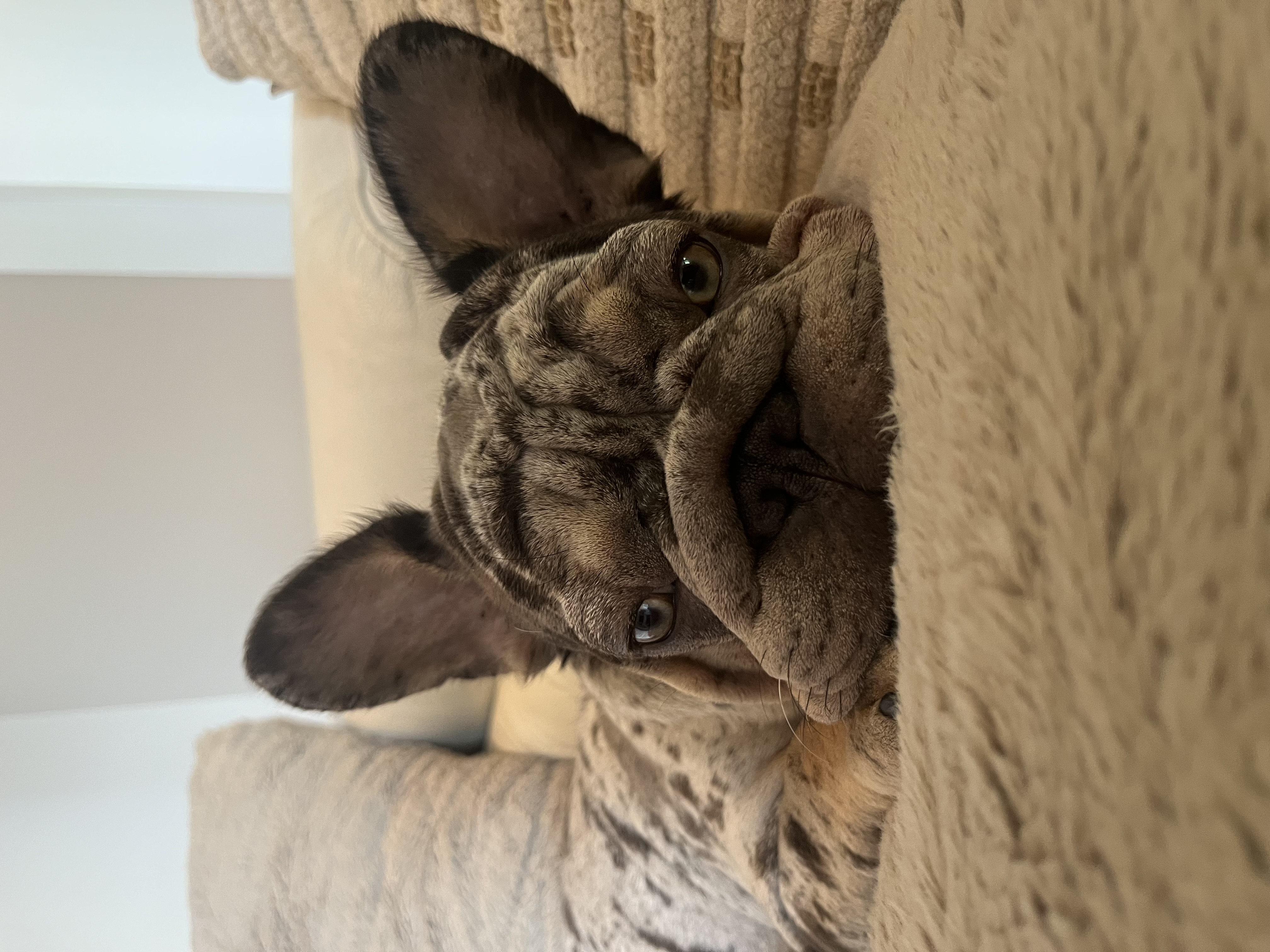
Considering non-sedation dog teeth cleaning in Vancouver? Learn why visible scaling misses below-gumline disease and how veterinary care can help.
The concern behind non-sedation cleaning
Non-sedation teeth cleaning isn’t enough for dogs because visible scaling can miss disease below the gumline and cannot replace a complete veterinary examination, full-mouth dental radiographs, or treatment when disease is found. If you are looking around Vancouver for a gentler option, it makes sense to feel torn. Wanting to spare your dog fear or risk is not overthinking; it is part of caring well.
The words can sound similar, so it helps to separate them. Sedation generally makes a dog less aware and less likely to move; general anesthesia is a deeper, controlled state with airway management and monitoring. They are not interchangeable. Your veterinarian considers examination, history, temperament, and health before discussing an approach.
With a non-sedation cleaning, a conscious dog remains awake while visible material is removed from exposed tooth surfaces. Teeth may look brighter afterward, and that can feel reassuring. But an awake dog may not be able to settle for a complete examination, probing, radiographs, scaling below the gumline, and polishing across every surface. A brighter smile is not the same thing as a healthy mouth.
What an awake cleaning can—and cannot—do
Canada’s national veterinary association, the Canadian Veterinary Medical Association (CVMA), sets out its position in CVMA’s position statement on veterinary dentistry: anesthesia-free or sedation-free dentistry, including non-professional dental scaling, is inappropriate because these practices raise animal-welfare concerns while offering only minimal health benefits for the animal. This is a professional position, not a Canadian-law ban or absolute prohibition. The American Veterinary Dental College (AVDC) adds context in AVDC’s explanation of anesthesia-free dental cleaning: visible scaling can be cosmetic while disease below the gumline remains hidden or untreated. A clean-looking surface cannot tell the whole story.
Plaque and inflammation can collect along and below the gumline, where awake scraping cannot reliably see or clean. A dog may also have a painful tooth, a pocket, or another problem that is not obvious from the surface. If a patient pulls away, sensitive areas may be left alone. That is not a judgment about the dog; it is a limit of what an awake cleaning can show.
Why a complete dental evaluation matters
AAHA’s dental-care guidance explains why a complete dental assessment and treatment generally involve general anesthesia, an endotracheal tube, and appropriate monitoring. It also emphasizes an individualized risk assessment rather than pretending that any procedure is risk-free. This describes what helps a veterinary team see and treat thoroughly; it is not a one-size-fits-all instruction.
That distinction matters. A senior dog, or a dog with heart, airway, breathing, or other health concerns, may need particularly careful planning or referral. Being nervous about anesthesia does not make you difficult. Ask your veterinarian how they assess your dog and whether a veterinary dental specialist is sensible for a complicated or higher-risk situation.
Making a thoughtful plan for an anxious dog
At Pawty Mansion, we believe dogs tell us a great deal when we listen. The same kindness belongs in a veterinary conversation. If mouth handling has been frightening, share that history. A veterinary team can explain options, limits, monitoring, and possible referral. A gentle-sounding label is not the same as care that understands your dog.
Before an appointment, ask what the visit should accomplish, whether a complete oral examination and radiographs are possible, and what can be treated. Ask how history and behavior shape the plan. Clear answers help; a cosmetic result should not carry more meaning than it can.
AAHA’s overview of pet dental care describes examination, full-mouth dental radiographs, scaling, polishing, and home-care guidance as connected parts of care. Periodontal probing and pocket measurement assess the support around teeth, including hidden areas. Polishing after scaling smooths microscopic irregularities rather than merely adding shine. Those steps explain why awake cleaning may not be enough when a dog needs evaluation or treatment.
Dental radiographs matter because important findings can hide below the gumline. They give a veterinary team information a visual check cannot, including what is happening around tooth roots. If a service cannot examine those areas, ask what its result can and cannot tell you. It is a gentle, sensible question—not a challenge.
For a fearful dog, share response to mouth handling, previous visits, and health concerns. That helps a veterinary team discuss a plan. Do not force open a painful mouth or scrape at home; resistance may communicate pain.
An awake cleaning can look like an easier decision, but an incomplete evaluation can leave a family with less information. If a dog looks cleaner while a painful area remains undiscovered, the appearance may offer false reassurance. It is kinder to ask plainly what a service includes and what it cannot assess.
What home care can do
Home care can be a small, steady act of care. With veterinary guidance, a toothbrush and toothpaste made for dogs can help reduce daily plaque when the experience is gentle and comfortable. Keep the routine gradual and calm. The goal is not to win a struggle; it is to help your dog feel safe while you look after them.
Home care cannot remove hardened tartar, examine tooth roots, or treat established disease. The VOHC accepted products list identifies products that meet standards for plaque or tartar control; a suitable product may support prevention, but it is not treatment and does not replace veterinary evaluation. Scraping tools are not a substitute for that care.
If brushing seems painful, stop instead of pushing through it. Inflamed gums, a sore tooth, or another oral problem may need veterinary attention first. Contact your veterinarian for guidance. Pain is information to respect, not a behavior problem to train away.
Signs that deserve veterinary attention
Watch for persistent bad breath, red or swollen gums, drooling, dropping food, one-sided chewing, reluctance to eat, pawing, or a temperament change. These do not diagnose, but they merit veterinary contact. Dogs hide discomfort; mention small changes.
Severe facial swelling or an inability to eat needs prompt veterinary attention. Call a veterinarian rather than waiting for a cosmetic cleaning to solve it. If you are unsure how urgent a change is, describe what you see, when it began, and whether it is getting worse.
A kind appointment conversation can cover the proposed level of sedation or anesthesia, why it is being considered, examination and imaging, monitoring, pain management, and follow-up. You can ask for plain language and take time to understand how the recommendation relates to your dog. You do not have to decide from a slogan.
The balanced answer is not that every awake service is identical or that any anesthetic procedure carries no risk. It is that visible tartar is only one part of oral health. A veterinarian can help weigh an awake cleaning’s limits against your dog’s needs, anxiety, history, and the value of a complete evaluation.
Sources and further reading
These references informed this article. The CVMA’s veterinary dentistry position statement is the lead Canadian professional reference here; the other sources add context. They are educational resources, not a substitute for individualized advice.
For complete dental evaluation, AAHA’s dental-care guidance connects general anesthesia, endotracheal intubation, monitoring, and individualized risk assessment; AAHA’s overview of pet dental care describes examination, full-mouth dental radiographs, scaling, polishing, and home-care guidance.
AVDC’s explanation of anesthesia-free dental cleaning describes why visible awake scaling can be cosmetic and miss below-gumline disease. The VOHC accepted products list covers products meeting plaque and tartar standards; those products can support prevention but do not become disease treatment.
Together, these sources ask a practical question: what can be responsibly assessed and treated for this dog? Your veterinarian can interpret findings and discuss whether general practice, a dental specialist, or another plan makes sense.
Keeping care decisions individual
Keeping these decisions individual matters. There is no single plan for every dog. Your dog’s history, anxiety, examination findings, imaging, monitoring needs, and follow-up all belong in the conversation.
At Pawty Mansion, we believe good care starts with taking a dog’s signals seriously and choosing the right professional. Time away is individual too: the right environment is where your dog feels comfortable.
Finding care that fits your dog
If you are planning time away in Vancouver, explore Pawty Mansion’s dog daycare in Vancouver (Day Residency) and dog boarding in Vancouver (Night Residency) experiences separately from veterinary care. For families on Vancouver’s West Side, including Kitsilano, our right-fit guide explains comfort, compatibility, and the dogs who thrive in our home environment.
When people around a dog choose patience, clarity, and the right setting, decisions feel less frightening. That is dog-first care we want families to feel, in veterinary conversations and while dogs are with us.
Frequently Asked Questions
Is non-sedation teeth cleaning safer for every dog?
There is no single safest option for every dog. An awake cleaning has limits in what it can examine or treat, while a veterinarian must weigh the individual risks and needs of a proposed procedure. Share your dog’s history and concerns openly.
Can an awake cleaning remove tartar below the gumline?
It generally cannot provide the same complete below-gumline examination and treatment as veterinary dental care with an appropriate anesthetic plan. Ask what a service includes and what it cannot evaluate.
Can VOHC products replace a dental examination?
No. A suitable VOHC-accepted product can support plaque or tartar control at home, but it does not replace an examination, professional treatment, or advice for a dog showing pain or other signs.
What should I do if my dog seems painful while I brush?
Stop the brushing session and contact your veterinarian for guidance. Pain, marked gum inflammation, facial swelling, or inability to eat are reasons to ask for help, not challenges to push through with training or scraping tools.
Wondering whether Pawty Mansion is right for your dog?
Learn how our home environment, small groups, and Residency Assessment help us make thoughtful matches.