How Often Should You Bathe Your Dog? It’s Not Just About the Smell
By Pawty Mansion •
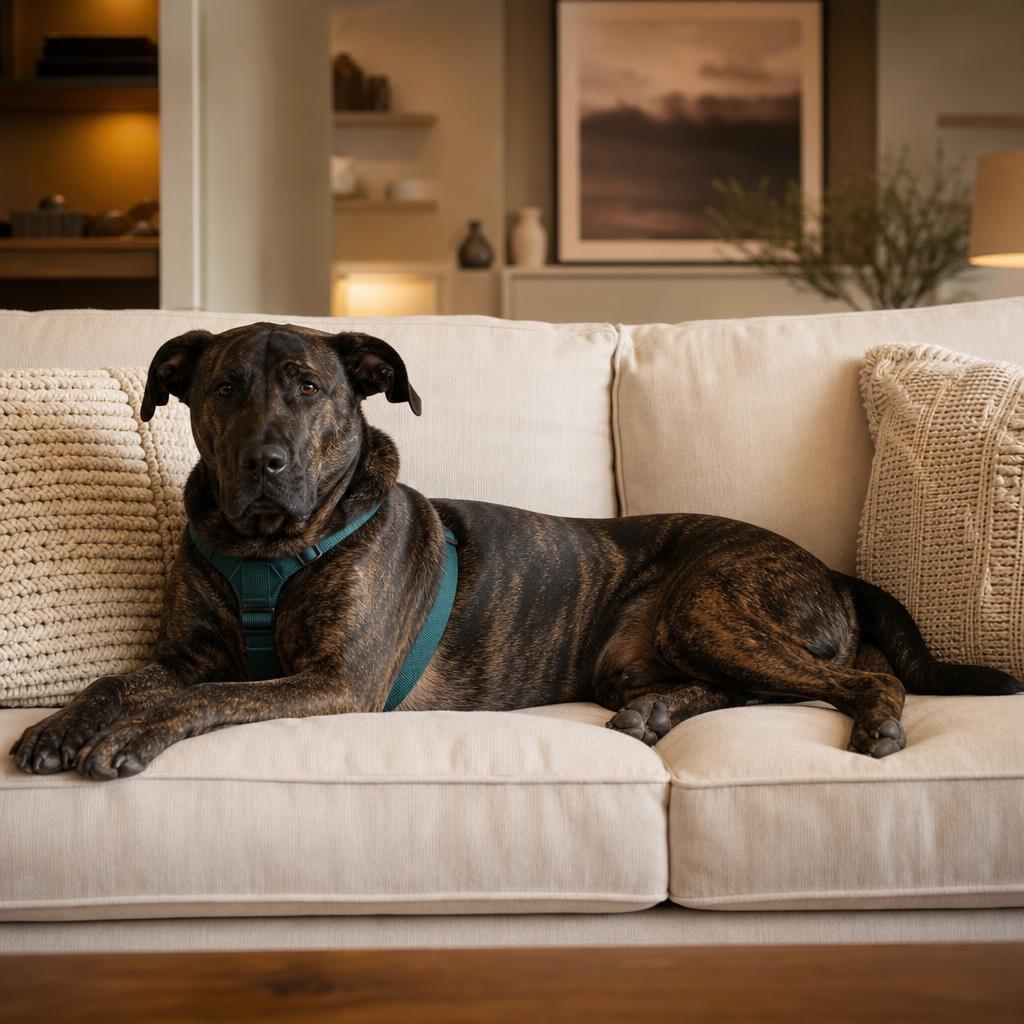
How often should you bathe your dog? Get practical advice by breed and coat type, plus rainy-day care tips for Vancouver dog owners.
Your dog has just returned from a rainy Vancouver walk. Their paws are muddy, their belly is damp, and that familiar wet-dog smell is following them through the house. Time for a bath? Maybe—but not necessarily a full shampoo.
One of the most common mistakes in dog grooming is treating every coat the same. A Poodle, a Labrador, and a French Bulldog can have very different care needs. Even two dogs of the same breed may need different bathing routines.
The better question isn’t simply, “How many weeks has it been?” It’s: “What does my dog’s coat and skin need right now?” Here’s how to work that out—without turning every muddy walk into bath night.
The short answer: how often should you bathe your dog?
Most healthy dogs need bathing when they become dirty or develop an odour, with the routine adjusted for their coat, lifestyle, and skin health. There is no universal weekly or monthly rule.
VCA Canada’s veterinary guidance notes that healthy, non-shedding breeds typically need bathing about every six to eight weeks. Some longer coats need more frequent care, while other dogs can go longer between full baths.
Dogs with allergies or diagnosed skin conditions may need a completely different schedule prescribed by their veterinarian. Think of bathing intervals as a starting point—not a deadline.
Why the right bathing routine matters
Bathing removes dirt, debris, and material that builds up in the coat. But a healthy grooming routine also includes brushing, checking the skin, and drying properly.
Problems can arise when owners repeatedly wash a dog to cover up an unexplained smell, use irritating products, leave shampoo residue behind, or bathe a tangled coat without addressing the mats. Itching may need veterinary attention rather than another wash.
Frequent bathing is not automatically harmful, and infrequent bathing does not automatically cause an infection. The product, technique, and reason for bathing matter as much as the frequency.
Short, smooth coats: less hair does not mean no maintenance
Examples: Boxers, Greyhounds, Dobermans, and smooth-coated Chihuahuas. These coats are usually straightforward to clean and inspect. A healthy dog who stays relatively clean may need only occasional full baths, with brushing and spot-cleaning in between.
Rather than shampooing simply because a month has passed, check for actual dirt, coat odour, or greasy buildup. What about French Bulldogs and Pugs? Their short coats do not tell the whole story. Skin folds can need separate care, and persistent redness or odour deserves veterinary advice—not just more shampoo.
Double coats: Labradors belong here, too
Examples: Labrador Retrievers, Golden Retrievers, German Shepherds, Huskies, and Pomeranians. A Labrador may have short hair, but it also has a dense double coat. That makes its grooming needs different from those of a smooth-coated Greyhound.
For double-coated dogs, regular brushing helps remove loose undercoat and trapped debris. Bathing can also be useful during seasonal shedding when combined with appropriate grooming and thorough drying.
You do not need to avoid bathing simply because your dog is shedding. The important part is managing loose hair and tangles before they become a problem. These coats also take more effort to rinse and dry. A dog who feels dry on the surface may still be damp underneath.
Curly and wavy coats: the bath is only part of the job
Examples: Poodles, Bichon Frises, and many Doodles. A fluffy coat can look lovely while hiding tangles close to the skin—especially behind the ears, under the legs, and around a harness.
These dogs benefit from a regular grooming plan, but there is no single schedule that works for every Doodle. Coat texture, length, and the amount of maintenance at home all make a difference. For healthy, non-shedding dogs, six to eight weeks is one veterinary starting point for bathing. Some coats require shorter intervals under a groomer’s guidance.
The bigger priority between appointments is consistent brushing and combing. Bathing alone does not prevent mats, and washing an already tangled coat can make those tangles harder to remove.
Long, silky coats: coat length changes the routine
Examples: Yorkshire Terriers, Maltese, Shih Tzus, and Lhasa Apsos. A Shih Tzu in a short, practical trim may have a different routine from one with a long, flowing coat.
Longer hair can collect debris and develop tangles, so daily maintenance becomes especially important. Regular bathing is usually part of the care plan, with the interval tailored to coat length, lifestyle, and skin condition. If keeping the coat comfortable has become difficult, speak with a groomer about a manageable trim and maintenance routine.
Hairless dogs and sensitive skin: skip the blanket rule
Hairless Chinese Cresteds and Xoloitzcuintlis can have specialised skin-care needs. But “hairless” and “sensitive-skinned” are not interchangeable categories—and neither automatically means a bath every week. Any breed can develop allergies or skin disease.
Ask your veterinarian about suitable products and frequency. Medicated shampoo should address a specific need, not be added to the routine just because a dog seems itchy.
Vancouver rain: when a rinse is enough
Wet weather creates more opportunities for messy paws. It does not automatically create a need for more shampoo. After a typical rainy walk, check the paws, belly, legs, and areas where debris collects.
Rinse or wipe away mud where needed. Dry with a clean towel, including between the toes and under the belly. Gently check longer coats for tangles once appropriate for the coat. If only the paws are muddy, you may only need to clean the paws.
After a beach visit, a fresh-water rinse can help remove salt and sand. Avoid water with contamination or algae warnings; washing afterward cannot make an unsafe swim safe. A practical Vancouver routine is often more targeted clean-up—not more full baths.
Does your dog need a bath—or a vet visit?
Mud on the paws or belly, dirt in an otherwise comfortable coat, or sand and salt after an outing are usually clean-up questions. An ordinary coat smell that resolves with appropriate bathing is different from an ongoing problem.
Persistent or quickly returning odour, frequent scratching or licking, redness, sores, hair loss, painful areas, recurring greasy or flaky skin, or smell and discharge from ears or folds are worth discussing with your veterinarian. These signs do not automatically mean something serious is wrong, but another bath is not a diagnosis.
Five bathing mistakes worth avoiding
1. Using whatever shampoo is in the shower. Choose a product formulated for dogs. Human shampoo—including baby shampoo—is not the default safe option for canine skin. If your dog has a skin condition, follow your veterinarian’s product recommendations.
2. Washing over tight tangles. Check and brush the coat first. Do not pull painfully at mats or try to cut close-fitting mats out with scissors. A groomer or veterinarian can help with extensive or uncomfortable matting.
3. Rushing the rinse. Shampoo left in a dense coat can irritate the skin. Take time to rinse thoroughly, especially around the chest, belly, and under the legs. Follow the label or your vet’s instructions for medicated products.
4. Forgetting the drying. Use towels and, if appropriate, a safely controlled dryer setting. Avoid hot air and pay attention to the undercoat and folds. Drying should be gentle—not a stressful endurance test.
5. Forcing a frightened dog through the whole process. A slippery tub, loud dryer, and unfamiliar handling can be overwhelming. Use a non-slip surface, comfortable water, short sessions, and rewards. If your dog is very distressed, ask a qualified professional for help building a calmer routine.
Should you bathe your dog before daycare or boarding?
A clean, comfortable dog does not necessarily need an extra bath just because a stay is coming up. Maintaining the normal grooming routine is generally more useful than squeezing in a last-minute bath.
Before daycare or boarding, share allergies, sensitive-skin concerns, and prescribed products with the care team. Ask your veterinarian about new skin symptoms, address uncomfortable mats, make sure your dog is fully dry after bathing, and confirm any provider-specific preparation requirements.
At Pawty Mansion, our boutique dog daycare in Vancouver is built around calm, structured days and individual attention. For overnight stays, our home-style dog boarding in Vancouver offers a setting where your dog’s routine and care needs are part of the conversation.
If preparation itself makes your dog anxious, read our guide to helping a nervous dog get ready for boarding.
The takeaway: follow the dog, not just the calendar
The right bathing routine does not have to be complicated. Clean what is dirty. Maintain the coat between baths. Pay attention when the skin or smell changes.
For some dogs, that means occasional baths and regular brushing. For others, it means a structured grooming schedule or a veterinarian-directed skin-care plan. And in Vancouver, it often means accepting that muddy paws need a towel—not always an entire bath.
Looking for care that considers your dog as an individual? Explore Pawty Mansion’s daycare and boarding options, check our admission FAQs, or start an admission application.
Further reading: VCA Canada: Grooming and Coat Care for Your Dog; American Kennel Club: How Often Should You Wash Your Dog?
Frequently Asked Questions
Can I bathe my dog every week?
Some dogs can be bathed weekly with appropriate products and guidance. Others do not need it. A veterinarian may prescribe frequent bathing for a skin condition. If you are washing weekly because your dog constantly smells or itches, investigate the cause rather than simply continuing the cycle.
How often should I bathe my Labrador?
Base the routine on dirt, odour, activity, and skin health—not just short hair. Labradors have double coats, so regular brushing, proper rinsing, and thorough drying matter.
Do Doodles need more baths than other dogs?
Some do, depending on their coat and lifestyle. But brushing and combing between baths are essential. More shampoo will not compensate for unmanaged tangles.
Does my dog need a bath after every daycare visit?
Not automatically. Check whether your dog needs a full bath, targeted clean-up, or simply brushing. Attending daycare alone is not a reason to shampoo every time.
Why does my dog smell again shortly after a bath?
The source may be the skin, ears, mouth, or another health issue rather than ordinary dirt. Persistent odour is a reason to contact your veterinarian.
Care that considers your dog as an individual
Discover calm, home-based daycare and boarding at Pawty Mansion in Vancouver.